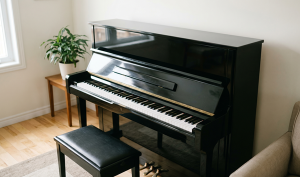
 A piano is more than just a musical instrument; it is often a centerpiece of a home, a valuable investment, and a vessel for family memories. However, it is also a massive, heavy object that can weigh anywhere from 300 to 1,200 pounds. When you combine that much weight with the relatively small surface area of a piano’s legs or casters, you create an immense amount of “point pressure.”
Without the right precautions, moving a piano is a recipe for disaster for your flooring. Whether you have delicate hardwood, brittle ceramic tile, or plush carpeting, the risks of scratches, cracks, and tears are high. This guide explores the professional methods and essential equipment required to ensure your floors remain pristine during a piano move.
Why Piano Casters Are Not Your Friend
Most upright and grand pianos come equipped with metal or brass wheels, known as casters. While these might look like they are designed for moving, they are often the primary cause of floor damage.
These casters were generally intended for slight adjustments in a concert hall or a room with industrial-grade flooring. On residential hardwood or tile, they act like a concentrated “pressure point.” Because the surface area of the wheel hitting the floor is so small, the hundreds of pounds of pressure can create deep gouges in wood or immediate fractures in tile. Furthermore, if a caster hasn’t been moved in years, it may be seized or rusted; forcing a seized wheel across a floor will result in a long, permanent scratch.
Preparation: The Foundation of Floor Protection
Before the piano even moves an inch, you must prepare the environment.
Clear the Path
Remove all rugs, toys, and furniture from the designated path. Any obstacle that forces the movers to “pivot” or make sharp turns increases the risk of the piano tipping or the equipment slipping, which puts the floor at risk.
Clean the Floors
This is a step many DIY movers skip. Tiny grains of sand, dirt, or debris can act like sandpaper under the weight of a piano or a dolly. If a heavy wheel rolls over a small pebble on a hardwood floor, it will grind that pebble into the wood, leaving a “dimple” or a scratch. Sweep and mop the entire path thoroughly before starting.
Measure Twice
Measure the width of the piano, the dolly, and every doorway. If a piano gets stuck in a doorway, the struggle to wiggle it free often results in the piano being dropped or dragged, which is catastrophic for the flooring beneath it.
Essential Equipment for Floor Safety
Professional piano movers don’t just rely on muscle; they rely on specialized gear designed to distribute weight and create a barrier between the instrument and the floor.
Professional Piano Dollies
A standard utility dolly from a hardware store is rarely sufficient. Professional piano dollies are equipped with non-marring, heavy-duty rubber wheels. These wheels are wider than casters, which helps distribute the weight of the piano over a larger surface area. The rubber material provides grip while ensuring that no metal-on-floor contact occurs.
Masonite or Plywood Sheets
For maximum protection, especially on hardwood or high-end tile, professionals use “runners” made of Masonite (hardboard) or thin plywood. By laying these sheets down along the moving path, you create a new, temporary sub-floor. The piano dolly rolls on the Masonite rather than your actual flooring. This is the single most effective way to prevent pressure cracks and scratches.
Moving Blankets and Floor Runners
While Masonite protects against pressure, moving blankets and neoprene floor runners protect against surface scuffs. Heavy-duty blankets should be wrapped around the piano itself to prevent it from scratching walls, but they can also be used to “pad” areas where the piano might need to be rested momentarily.
Protecting Specific Floor Types
Different materials require different approaches. Here is how to handle the three most common residential floor types.
1. Hardwood and Laminate
Hardwood is the most susceptible to “crush” damage. Even if you don’t scratch the finish, the weight of a piano can compress the wood fibers themselves, leaving permanent indentations.
The Strategy: Always use the “floating floor” method with Masonite sheets. Ensure the sheets are taped together with low-tack painter’s tape to prevent them from sliding apart under the weight of the dolly.
2. Tile and Stone
While tile is hard, it is also brittle. If a heavy piano is rolled over a section of tile that has a small air pocket in the thin-set underneath, the tile will snap instantly.
The Strategy: Avoid any “shocks” to the floor. Use ramps to move over any small lips or transitions between rooms. A sudden “drop” of even half an inch can generate enough force to shatter ceramic or marble tile.
3. Carpet
The primary risk with carpet isn’t crushing, it’s snagging and stretching. If you try to slide a piano or roll a small-wheeled dolly across a carpet, the friction can cause the carpet to “bunch up” or tear away from the tack strips at the edges of the room.
The Strategy: Use “plywood pathways.” Laying plywood over the carpet provides a hard, smooth surface for the dolly to roll on, preventing the wheels from sinking in and creating friction.
The Moving Process: Step-by-Step
If you are attempting this yourself, follow this sequence to minimize floor contact:
Lift, Don’t Slide: Never attempt to “scoot” a piano. Use at least two to four people to lift the piano just high enough to slide a professional dolly underneath.
Center the Weight: Ensure the piano is perfectly centered on the dolly. An off-center piano can cause the dolly to “kick out” during a turn, dropping the piano directly onto the floor.
Use a “Spotter”: One person should be dedicated solely to watching the floor and the wheels. Their job is to ensure the Masonite hasn’t shifted and that no debris has rolled into the path.
Slow and Steady: Momentum is dangerous. Once a 1,000-pound object starts moving, it is hard to stop. Move in small, controlled increments.
After the Move: Caster Cups
Once the piano has reached its final destination, the work of floor protection isn’t over. You cannot leave the piano’s legs resting directly on the floor.
Invest in high-quality caster cups. These are small discs made of wood, plastic, or heavy-duty rubber with a felt lining on the bottom. They serve two purposes: they distribute the weight of the piano over a 3-to-5-inch circle (instead of a 1-inch wheel), and the felt bottom allows you to make micro-adjustments to the piano’s position without scratching the floor.
Conclusion: When to Call the Pros
While it is possible to protect your floors during a DIY move with enough Masonite and the right dolly, the risks remain high. A single slip-up can lead to thousands of dollars in flooring repairs, not to mention potential damage to the piano or personal injury.
Professional piano movers carry specialized insurance and come equipped with the exact materials mentioned above. They understand the physics of weight distribution and have the experience to navigate tight turns and transitions without putting your home at risk. If you value your flooring, the cost of professional movers is almost always a fraction of the cost of a floor restoration project.
By following these steps, cleaning, measuring, using the right barriers, and employing caster cups, you can ensure that the only thing your piano leaves behind in your new home is the sound of beautiful music.