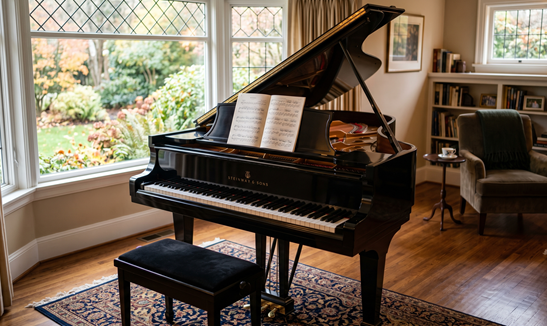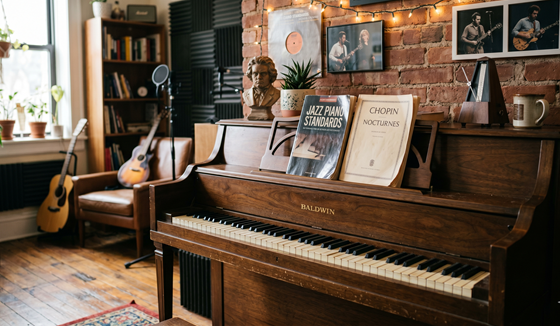
Moving a modern piano in San Diego is a logistical challenge; moving an antique piano is a preservation project. Unlike their contemporary counterparts, antique pianos, typically defined as those over 50 to 100 years old, possess unique structural vulnerabilities. From brittle wood and aged adhesives to delicate internal “actions,” these instruments require a specialized approach that goes far beyond standard heavy lifting.
Whether you are moving a 19th-century Steinway grand or a family-heirloom Victorian upright, protecting the instrument’s integrity is paramount. This guide provides a deep dive into the expert techniques required to transport antique pianos safely.
Conduct a Pre-Move Structural Audit
Before the move begins, you must understand the current state of the instrument. Antique pianos often suffer from “hidden” issues that can lead to catastrophic failure during transport.
- Check the Glue Joints: Historically, pianos were assembled using hide glue. Over decades, this glue can become dry and brittle. A sudden jar or vibration during transit can cause structural components to detach.
- Inspect the Legs and Lyre: The legs of antique grand pianos are often a weak point. Check for hairline cracks or previous repairs.
- Document Everything: Take high-resolution photos of the finish, the keys, and the internal strings. This is vital for insurance purposes and to ensure the movers are aware of existing “fragile zones.”
Understand the Physics of Aged Wood
Wood is a “living” material that reacts to its environment. In an antique piano, the wood has had decades to settle and dry out. This makes it significantly more prone to cracking or “checking” when subjected to physical stress or rapid environmental changes.
The soundboard, the large wooden diaphragm that amplifies the strings, is particularly sensitive. A crack in the soundboard can ruin the instrument’s tone. When moving, the piano must be supported in a way that minimizes torsional stress (twisting), which is the leading cause of soundboard damage during transit.
The Necessity of Climate Control
Antique pianos are essentially large “hygrometers”, they absorb and release moisture constantly. Modern homes are often much drier than the environments these instruments were originally designed for.
- The Humidity Danger Zone: Rapid shifts in humidity during a move can cause the wood to expand or contract violently. This can lead to the “pin block” (which holds the tuning pins) loosening, rendering the piano unable to stay in tune.
- Solution: Use climate-controlled vehicles. If the move involves long-distance travel, ensuring the truck maintains a steady temperature and a humidity level of 40% to 50% is non-negotiable.
Specialized Disassembly for Grand Pianos
You should never attempt to move an antique grand piano with its legs attached. The sheer weight of the piano body can snap an aged leg during a tilt.
Company that does extremely professional piano moving use a “piano board” or “skid board.” The process involves:
- Carefully removing the “lyre” (the pedal assembly).
- Removing the front-left leg while the piano is supported.
- Lowering the piano onto its side onto a padded skid board.
- Removing the remaining legs.
For antiques, each bolt and screw should be labeled and stored in a padded bag, as finding replacement hardware for 100-year-old instruments is nearly impossible.
Protecting the “Action” and Keys
The “action” refers to the thousands of moving parts (hammers, levers, dampers) inside the piano. In older models, the felt and leather parts may be thin or brittle.
- Key Covers: Use a specialized key-stop rail or padded cloth to ensure the keys do not bounce or shift during transit.
- Internal Padding: While you should never stuff blankets inside the piano (which can snag strings), ensure the lid is locked or tied down securely with non-adhesive materials to prevent internal vibrations.
Utilizing Professional-Grade Padding
Standard moving blankets are often too thin for the delicate “French Polish” or lacquer finishes found on antiques.
Professional movers use a multi-layer wrapping technique:
- Acid-free paper or soft tissue: To prevent the “clouding” of the finish.
- High-density moving pads: To absorb physical shocks.
- Shrink wrap (External only): Used over the blankets to keep them tight, but never applied directly to the wood, as it can trap moisture and damage the finish.
Navigating Stairs and Thresholds
For an antique, every “bump” is a risk. When moving through doorways or up stairs, the instrument should be moved with low-impact equipment.
- Ramps: Never “thump” a piano over a door threshold. Use small ramps to create a smooth transition.
- Cranes and Hoists: If an antique piano needs to go to a second floor, professionals often prefer “hoisting” the instrument through a window or balcony rather than navigating tight, jarring stairwells. This reduces the time the piano spends in a vertical or tilted position.
The “Acclimatization” Period
Once the piano arrives at its destination, the move is not over. The instrument needs time to adjust to the “micro-climate” of the new room.
- Placement: Keep antique pianos away from direct sunlight, drafty windows, or HVAC vents. The constant flux of air will cause the wood to warp.
- Wait to Tune: Never tune an antique piano immediately after a move. The strings and wood need at least four weeks to settle. Tuning too early is a waste of money, as the instrument will likely shift again within days.
Insurance: Beyond “Released Value”
Standard moving insurance usually pays by the pound (e.g., $0.60 per pound). For a rare 1880s Bechstein, this would cover only a fraction of its value.
- Appraisal: Get a professional appraisal before the move.
- Inland Marine Insurance: This is a specific type of coverage for high-value items in transit. Ensure your mover provides “Full Value Protection” specifically for antiques, which covers the cost of restoration or the current market value.
Hiring an Antique Specialist vs. A General Mover
The most important tip for transporting an antique piano is knowing when to delegate. General movers are great for boxes and sofas, but they often lack the specialized skid boards, specialized padding, and, most importantly, the patience required for an heirloom.
An antique specialist understands that they aren’t just moving a heavy object; they are moving a piece of history. They will take the extra 30 minutes to double-wrap a leg or wait for a rain spell to pass before loading the instrument.
Conclusion
Transporting an antique piano is a delicate balance of heavy logistics and fine-tuned care. By focusing on climate control, proper weight distribution, and specialized equipment, you can ensure that your instrument survives the journey with its voice, and its history, intact.
An heirloom piano has survived decades, perhaps even a century, of music. With the right transport strategy, it will continue to do so for generations to come.
 A piano is more than just a musical instrument; it is often a centerpiece of a home, a valuable investment, and a vessel for family memories. However, it is also a massive, heavy object that can weigh anywhere from 300 to 1,200 pounds. When you combine that much weight with the relatively small surface area of a piano’s legs or casters, you create an immense amount of “point pressure.”